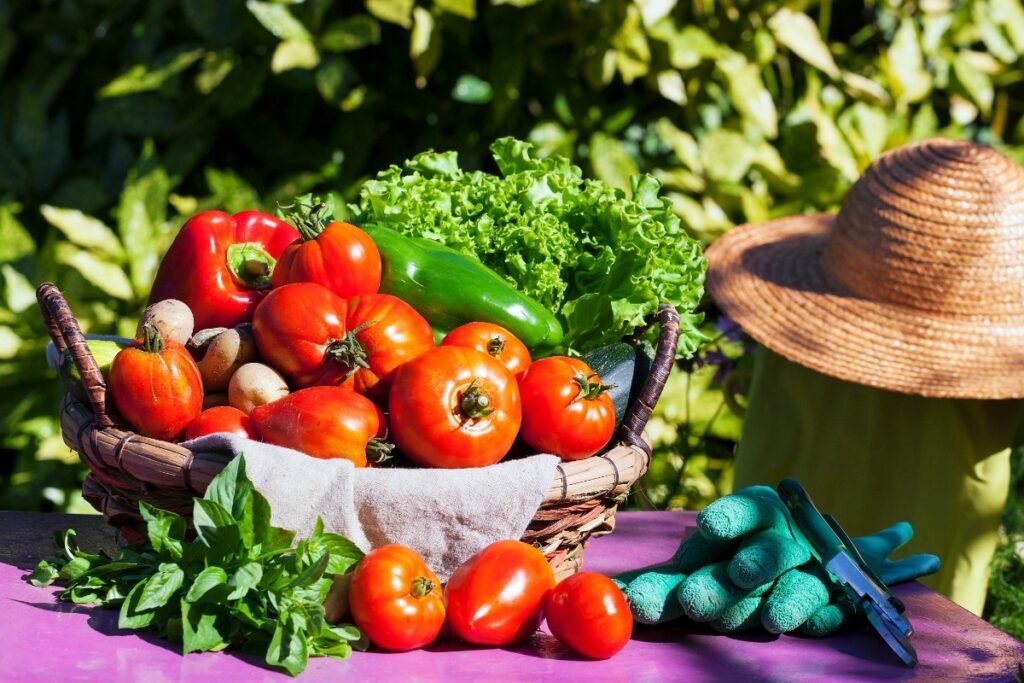
Benefits of Organic Food has become an important part of healthy living in today’s world. Many people are now choosing organic fruits, vegetables, grains, dairy products, and other natural foods because they want a healthier lifestyle and safer food for their families. The growing awareness about health, nutrition, and environmental protection has increased the demand for organic farming and organic products across the world.
Organic food is produced without harmful chemicals, synthetic pesticides, artificial fertilizers, or genetically modified organisms. Farmers use natural farming methods to grow crops and raise animals in a safe and sustainable way. Because of this, organic food is considered healthier, fresher, and more environmentally friendly than conventionally grown food.
In this blog, we will explore the many benefits of organic food and why more people are making organic products a part of their daily lives.
Table of Contents
What is Organic Food?
Organic food refers to food products grown and processed using natural methods. Organic farming avoids harmful chemicals and focuses on maintaining soil fertility, ecological balance, and biodiversity. Organic farmers use natural compost, crop rotation, animal manure, and biological pest control methods to grow healthy crops.
Organic foods include:
- Organic fruits
- Organic vegetables
- Organic grains
- Organic dairy products
- Organic honey
- Organic spices
- Organic meat and eggs
These products are grown with care and without harmful substances that may affect human health and the environment.
1. Organic Food is Free from Harmful Chemicals
One of the biggest benefits of organic food is that it is grown without harmful pesticides and chemical fertilizers. Conventional farming often uses synthetic chemicals to protect crops from pests and diseases. These chemicals may remain on fruits and vegetables even after washing.
Consuming foods with chemical residues regularly may affect human health over time. Organic farming uses natural pest control methods and eco-friendly fertilizers, making the food safer for consumption.
People who choose organic food reduce their exposure to harmful toxins and chemicals, helping them maintain better long-term health.
2. Organic Food is Rich in Nutrients
Several studies suggest that organic foods may contain higher levels of certain nutrients compared to conventionally grown foods. Organic fruits and vegetables are often richer in:
- Vitamins
- Minerals
- Antioxidants
- Iron
- Magnesium
- Vitamin C
Antioxidants are especially important because they help protect the body from damage caused by free radicals. A diet rich in antioxidants supports overall health and may reduce the risk of chronic diseases.
Because organic crops grow naturally in healthy soil, they absorb more nutrients from the earth, making them more nutritious and beneficial.
3. Better Taste and Freshness
Many people believe organic food tastes better than regular food. Organic fruits and vegetables are usually grown naturally and harvested at the right time, allowing them to develop better flavor and freshness.
Fresh organic produce often contains more natural sweetness and aroma because it is grown without artificial growth enhancers. Organic farming focuses on quality rather than quantity, which improves the overall taste of food.
Farm fresh organic vegetables and fruits also maintain their natural texture and color, making meals more enjoyable and healthy.
4. Supports a Healthy Lifestyle
Eating organic food encourages a healthier lifestyle. People who consume organic products often pay more attention to nutrition, balanced diets, and overall wellness.
Organic foods are free from artificial preservatives, additives, and synthetic ingredients. This helps people avoid unnecessary chemicals in their daily diet.
A healthy lifestyle supported by organic food may help:
- Improve digestion
- Increase energy levels
- Support better immunity
- Maintain healthy weight
- Promote overall wellness
Choosing natural and organic food is a positive step toward long-term health and fitness.
5. Organic Farming Protects the Environment
Organic farming is environmentally friendly. It avoids harmful chemicals that pollute soil, water, and air. Instead, organic farmers use sustainable practices that protect natural resources.
Benefits of organic farming for the environment include:
- Improved soil fertility
- Reduced pollution
- Better water conservation
- Increased biodiversity
- Reduced greenhouse gas emissions
Healthy soil is one of the most important parts of organic farming. Organic farmers use compost and natural fertilizers to improve soil quality naturally.
By supporting organic food, consumers also support sustainable farming practices that protect the planet for future generations.
6. Safer for Children and Families
Children are more sensitive to harmful chemicals and pesticides because their bodies are still developing. Organic food helps reduce exposure to toxic substances and provides safer nutrition for growing children.
Parents often choose organic fruits, vegetables, milk, and baby food to ensure better health and safety for their families.
Organic food supports healthy growth and development while reducing the risks associated with chemical exposure.
7. Organic Food Supports Animal Welfare
Organic farming standards for animals are usually stricter and more humane than conventional farming methods. Organic livestock are raised in healthier environments with access to outdoor spaces, natural feed, and proper care.
Organic animal farming avoids:
- Growth hormones
- Unnecessary antibiotics
- Artificial feed additives
Animals raised organically are treated more ethically, which improves their health and the quality of products such as milk, eggs, and meat.
Consumers who care about animal welfare often prefer organic dairy and poultry products.
8. Helps Reduce Antibiotic Resistance
In conventional animal farming, antibiotics are sometimes used to promote faster growth and prevent disease in crowded conditions. Excessive antibiotic use can contribute to antibiotic resistance in humans.
Organic farming limits the use of antibiotics and promotes natural animal health practices. This helps reduce the spread of antibiotic-resistant bacteria and supports safer food production.
Choosing organic products can contribute to better public health and safer farming systems.
9. Organic Food is Better for Soil Health
Healthy soil is the foundation of good farming. Organic farming improves soil quality naturally through composting, crop rotation, and natural fertilizers.
Benefits of healthy soil include:
- Better nutrient absorption
- Stronger crops
- Improved water retention
- Reduced soil erosion
Conventional farming often damages soil over time due to excessive chemical use. Organic farming protects the soil and keeps it productive for future generations.
Healthy soil also supports healthier food production and stronger ecosystems.
10. Supports Local Farmers
Many organic farms are small or local farms that focus on quality production and sustainable farming methods. Buying organic products often helps support local farmers and rural communities.
Supporting local organic farms helps:
- Strengthen local economies
- Encourage sustainable agriculture
- Create employment opportunities
- Promote community health
Consumers can also enjoy fresher produce because local organic food usually travels shorter distances before reaching markets.
11. Reduces Water Pollution
Chemical fertilizers and pesticides used in conventional farming can contaminate rivers, lakes, and groundwater. This pollution harms aquatic life and affects drinking water quality.
Organic farming avoids synthetic chemicals and reduces harmful runoff into water systems. Natural farming practices protect water resources and help maintain ecological balance.
Choosing organic food indirectly contributes to cleaner water and healthier ecosystems.
12. Encourages Biodiversity
Organic farms support biodiversity by creating healthier environments for plants, insects, birds, and animals. Unlike chemical farming, organic agriculture works with nature instead of harming it.
Organic farming practices encourage:
- Natural pollinators like bees
- Beneficial insects
- Diverse plant species
- Wildlife habitats
Biodiversity is essential for maintaining ecological balance and sustainable food production.
13. Organic Food Contains Fewer Additives
Processed conventional foods may contain artificial preservatives, colors, flavors, and sweeteners. Organic processed foods generally contain fewer artificial ingredients.
People who consume organic foods avoid many unnecessary additives that may negatively affect health.
Natural ingredients and minimal processing make organic products a healthier choice for everyday meals.
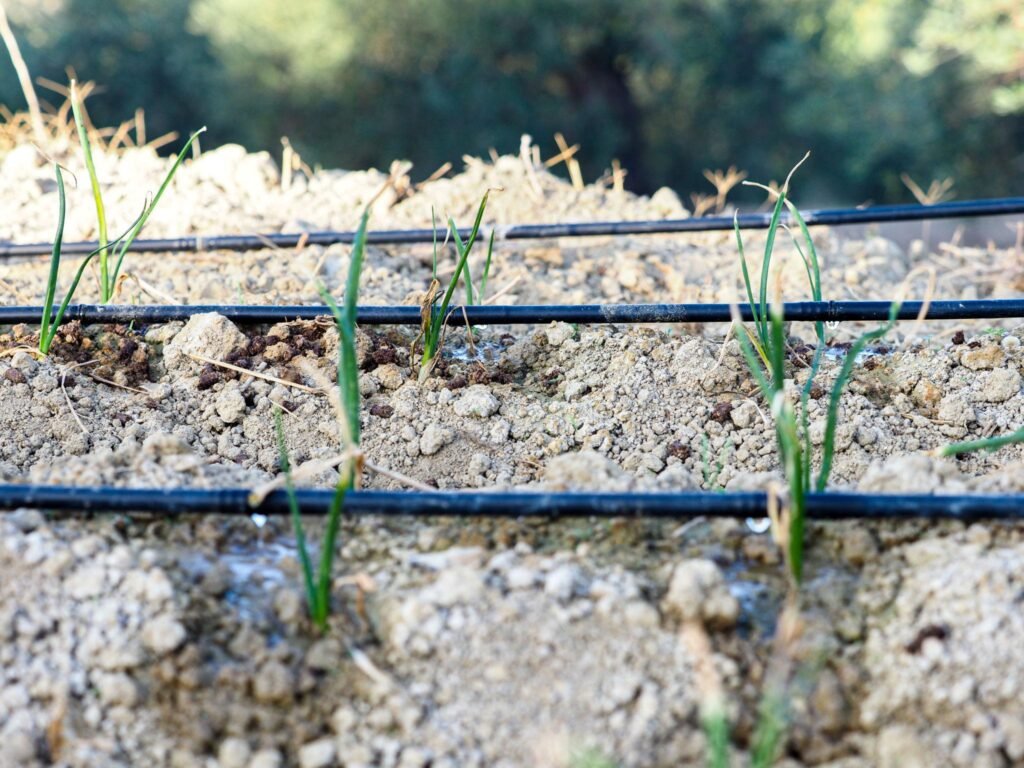
14. Promotes Sustainable Agriculture
Sustainability is one of the major goals of organic farming. Organic agriculture aims to meet current food needs without damaging natural resources for future generations.
Sustainable farming methods include:
- Crop rotation
- Composting
- Water conservation
- Natural pest management
- Soil protection
These practices create a balanced farming system that supports long-term agricultural productivity.
15. Organic Food May Lower Health Risks
Although no single food guarantees perfect health, eating organic food may help reduce certain health risks associated with chemical exposure.
A balanced organic diet rich in fruits, vegetables, and whole foods may support:
- Heart health
- Better digestion
- Strong immunity
- Reduced inflammation
- Healthy aging
Organic food is often part of a cleaner and healthier eating pattern that benefits overall well-being.
Challenges of Organic Food
While organic food offers many benefits, there are also some challenges:
Higher Prices
Organic products are often more expensive because organic farming requires more labor and careful management.
Limited Availability
In some areas, organic food may not be easily available.
Shorter Shelf Life
Organic foods usually contain fewer preservatives, which may reduce storage time.
Despite these challenges, many people believe the health and environmental benefits make organic food worth the investment.
Tips for Choosing Organic Food
Here are some simple tips when buying organic products:
- Buy from trusted organic farms
- Choose seasonal fruits and vegetables
- Wash produce properly
- Read product labels carefully
- Support local farmers markets
- Store fresh produce correctly
Consumers should focus on quality and freshness when selecting organic foods.
Why Organic Food Matters Today
Modern lifestyles, pollution, unhealthy diets, and chemical exposure have increased health concerns worldwide. Organic food provides a natural alternative that promotes better health and environmental sustainability.
As awareness grows, more families are turning toward organic living and natural food choices. Organic farming also supports a cleaner planet and safer food systems.
Choosing organic food is not only a personal health decision but also a step toward protecting nature and future generations.
Conclusion
The benefits of organic food go beyond nutrition. Organic products support healthier living, environmental protection, animal welfare, and sustainable farming practices. By avoiding harmful chemicals and focusing on natural methods, organic farming produces cleaner and safer food for people around the world.
From better taste and improved nutrition to reduced pollution and healthier ecosystems, organic food offers many advantages for both individuals and the environment.
Including organic fruits, vegetables, grains, and other natural products in your daily diet can help you move toward a healthier and more sustainable lifestyle. As more people understand the importance of clean and natural food, organic farming continues to play a valuable role in building a healthier future for everyone.